Blog

Top Mini Quad Motors: Choosing the Right Option for Your Drone
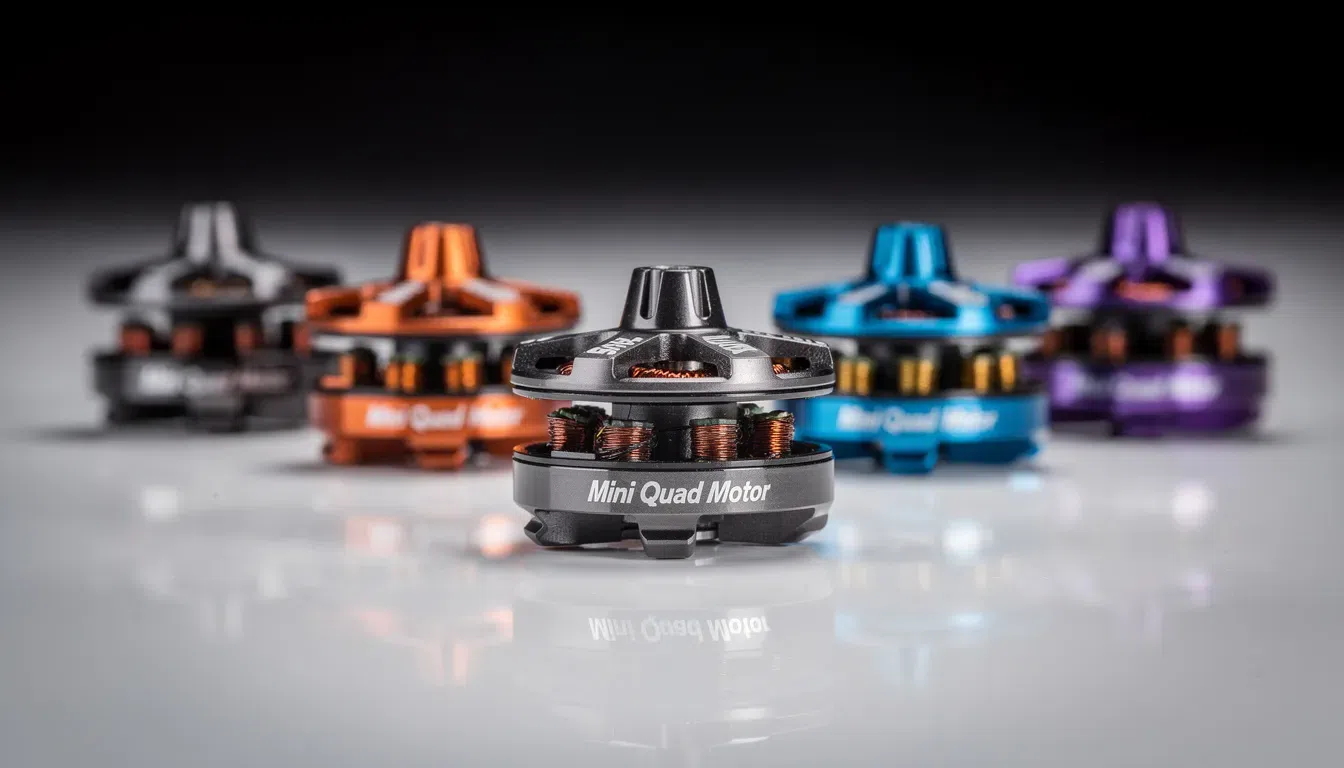
Mini quad motors play a crucial role in FPV drones, directly impacting their performance, efficiency,


If you are building or upgrading a 5-inch FPV drone, you will probably compare two of the most common motor sizes: 2207 and 2306. Both are popular for freestyle and racing drones, and both can deliver strong performance when matched with the right propeller, battery, and flying style.
The question is not simply which motor is more powerful. A 2207 motor and a 2306 motor feel different in the air. One may give sharper response and stronger punch-out, while the other may feel smoother and more efficient depending on your setup.
This guide compares 2207 vs 2306 motors for 5-inch FPV drones, including torque, throttle response, cooling, efficiency, battery voltage, propeller matching, and the best use cases for racing, freestyle, and cinematic flying.

For most 5-inch FPV drones, both 2207 and 2306 motors can work well. The better choice depends on how you fly.
In simple terms, 2207 motors often feel more powerful and responsive, while 2306 motors often feel smoother and easier to control.
FPV motor size numbers describe the stator size. The first two digits show the stator diameter in millimeters, and the last two digits show the stator height in millimeters.
The stator affects torque, power, weight, heat, throttle feel, and how well the motor handles different propellers. A taller stator usually provides more torque and stronger response. A wider stator can provide smoother power delivery and better cooling.
| Feature | 2207 Motor | 2306 Motor |
|---|---|---|
| Stator Size | 22 mm wide, 7 mm tall | 23 mm wide, 6 mm tall |
| General Feel | More aggressive and responsive | Smoother and more controlled |
| Torque | Usually higher torque | Slightly lower torque |
| Throttle Response | Sharper response | Smoother response |
| Punch-Out | Strong punch-out | Controlled punch-out |
| Cooling | Good, but depends on design | Often slightly better due to wider stator |
| Weight | Often slightly heavier | Often slightly lighter |
| Best For | Racing, aggressive freestyle | Smooth freestyle, cinematic FPV |
| Flying Style | Fast, sharp, powerful | Smooth, stable, predictable |
This table is a practical starting point. Real-world performance also depends on motor design, magnet quality, winding, bearings, propeller choice, battery voltage, ESC settings, and drone weight.
A 2207 motor is popular for 5-inch FPV drones because it provides strong torque and quick throttle response. The taller stator helps the motor change RPM quickly, which gives the drone a punchier and more aggressive feel.
2207 motors are often a good choice for pilots who want:
If you fly aggressive freestyle or racing, a 2207 motor can give your drone the extra response you need. It can feel more locked-in during hard throttle changes and faster direction changes.
A 2207 motor can draw more current depending on KV and propeller choice. If the setup is too aggressive, it may reduce flight time or cause the motor to run hot. This is why 2207 motors should be matched carefully with the right KV, propeller pitch, ESC, and battery.
A 2306 motor has a slightly wider and shorter stator. Compared with many 2207 motors, a 2306 motor often feels smoother and more controlled. This can make it easier to fly precisely, especially for smooth freestyle lines and cinematic FPV.
2306 motors are often a good choice for pilots who want:
If you prefer flowy freestyle, cinematic chasing, or smoother flying, a 2306 motor may feel more comfortable than a very aggressive 2207 setup.
A 2306 motor may not feel as punchy as a 2207 motor, especially with heavy builds or aggressive props. Some racing pilots may prefer the stronger torque and faster response of a 2207 motor.
For racing, most pilots want rapid acceleration, sharp corner exit, quick throttle changes, and strong punch-out. In this case, 2207 motors are often the more popular choice because they can provide a stronger and more responsive feel.
A 2207 motor can help a racing drone:
However, 2306 motors can still work for racing if you prefer smoother control or if your setup is lightweight. The best racing motor depends on the track, propeller, battery, and pilot preference.
For freestyle, both 2207 and 2306 motors can work very well. The choice depends on whether you prefer aggressive freestyle or smooth freestyle.
Choose a 2207 motor if you like sharp moves, fast recoveries, big punch-outs, and heavy throttle changes. It can help your drone feel powerful and responsive during dives, flips, rolls, and quick transitions.
Choose a 2306 motor if you prefer smoother lines, flowy movements, and more predictable throttle control. It may feel easier to manage, especially for pilots who value control and consistency over maximum punch.
For cinematic FPV, smoothness is often more important than maximum thrust. You want stable footage, low vibration, predictable throttle response, and efficient cruising.
In many cinematic 5-inch builds, 2306 motors can be a strong choice because they often feel smoother and less aggressive. That said, a lower-KV 2207 motor can also work well if your drone carries extra weight or needs more torque.
For cinematic FPV, look beyond motor size alone. Also check vibration, bearing quality, propeller balance, motor temperature, and how smoothly the drone responds at low and mid throttle.
KV rating tells you how fast a motor spins per volt with no load. Higher KV gives more RPM and speed, while lower KV usually gives better control, lower current draw, and better compatibility with higher voltage batteries.
For 5-inch FPV drones, common KV ranges include:
| Battery Type | Common KV Range | Typical Use |
|---|---|---|
| 4S | 2300KV–2700KV | Fast freestyle, racing, responsive 5-inch builds |
| 6S | 1700KV–2000KV | Smoother power, better efficiency, modern 5-inch FPV builds |
If you use 6S batteries, avoid choosing a KV that is too high. A high-KV motor on a high-voltage battery can create too much RPM, current draw, and heat. For most 6S 5-inch builds, a lower KV motor is usually safer and more efficient.

Propellers can completely change how a 2207 or 2306 motor feels. Even if the motor is well chosen, the wrong propeller can cause poor efficiency, overheating, short flight time, or unstable control.
When choosing propellers, consider:
A higher-pitch propeller can give more speed and grip, but it also increases motor load. A lower-pitch propeller may feel smoother and more efficient. Tri-blade props are common for 5-inch FPV drones because they provide strong control, while lower-pitch props may help reduce heat and improve flight time.
Efficiency depends on the full setup, not just whether the motor is 2207 or 2306. A 2306 motor may feel smoother and efficient in some builds, while a 2207 motor may perform better if the drone needs more torque.
To judge efficiency, look at:
If your motors are hot after a short flight, your setup may be overloaded. Try a lower-pitch propeller, lower KV, lighter battery, or a more suitable motor size.
For beginners building a 5-inch FPV drone, a smoother motor setup is usually easier to control. A 2306 motor or a lower-KV 2207 motor can both be good choices, depending on the build.
New pilots should avoid extremely high-KV motors and very aggressive propellers. A setup that is too powerful can reduce flight time, increase heat, and make the drone harder to control.
A beginner-friendly setup should focus on:
Maximum thrust is important, but it does not tell the full story. A motor that produces very high thrust may also draw more current, run hotter, and reduce flight time.
A 2207 or 2306 motor must be matched with the right KV for your battery. A motor that works well on 4S may not be suitable for 6S if the KV is too high.
A high-pitch propeller can overload the motor. If your motor gets too hot, the propeller may be too demanding for your setup.
Your drone’s total weight includes the frame, motors, flight controller, ESC, camera, receiver, antenna, battery, props, and accessories. A heavier drone may need more torque, while a lighter drone may benefit from a smoother and lighter setup.
A stronger motor is not always the better motor. Extra power can come with extra weight, heat, and current draw. The best motor is the one that matches your actual flying style.
Choose a 2207 motor if you want stronger torque, faster response, and more aggressive performance for racing or freestyle. It is often a great choice for pilots who want power, punch-out, and quick control changes.
Choose a 2306 motor if you want smoother throttle control, predictable handling, and a more balanced feel for freestyle or cinematic FPV. It can be a good choice for pilots who value control and smoothness over maximum punch.
For most 5-inch FPV drones, both options can work well. The right answer depends on your battery voltage, propeller choice, drone weight, and flying style.
Final rule: If you want aggressive power, start with 2207. If you want smoother control, start with 2306.
Before choosing between 2207 and 2306 motors, ask these questions:
Compare motor size, KV, propeller compatibility, battery voltage, and flying style before choosing your final 5-inch FPV motor setup.
Not always. 2207 motors often provide stronger torque and sharper response, while 2306 motors often feel smoother and more controlled. The better choice depends on your flying style.
2207 motors are popular for aggressive freestyle because they provide strong torque and punch-out. If you like fast throttle changes, dives, and sharp recoveries, 2207 can be a strong choice.
2306 motors can be a good choice for cinematic FPV because they often feel smoother and more predictable. However, motor KV, propeller choice, and vibration control also matter.
For 5-inch 4S builds, many pilots use around 2300KV to 2700KV. For 5-inch 6S builds, many pilots use around 1700KV to 2000KV. The right KV depends on your propeller, ESC, and flying style.
2306 motors usually follow similar KV ranges as 2207 motors for 5-inch FPV drones. Use higher KV for 4S and lower KV for 6S. Avoid using a KV that is too high for your battery voltage.
Many racing pilots prefer 2207 motors because they can offer stronger torque and sharper response. However, a lightweight 2306 setup can still work well depending on the track and pilot preference.
Some 6-inch builds can use 2207 or 2306 motors, but larger motors may be better if the drone is heavier or uses more demanding propellers. Always check motor temperature and current draw.
Common causes include KV that is too high, propellers that are too aggressive, heavy drone weight, poor airflow, ESC mismatch, or damaged bearings. Try a lower-pitch propeller and check your setup after a short test flight.

Mini quad motors play a crucial role in FPV drones, directly impacting their performance, efficiency,
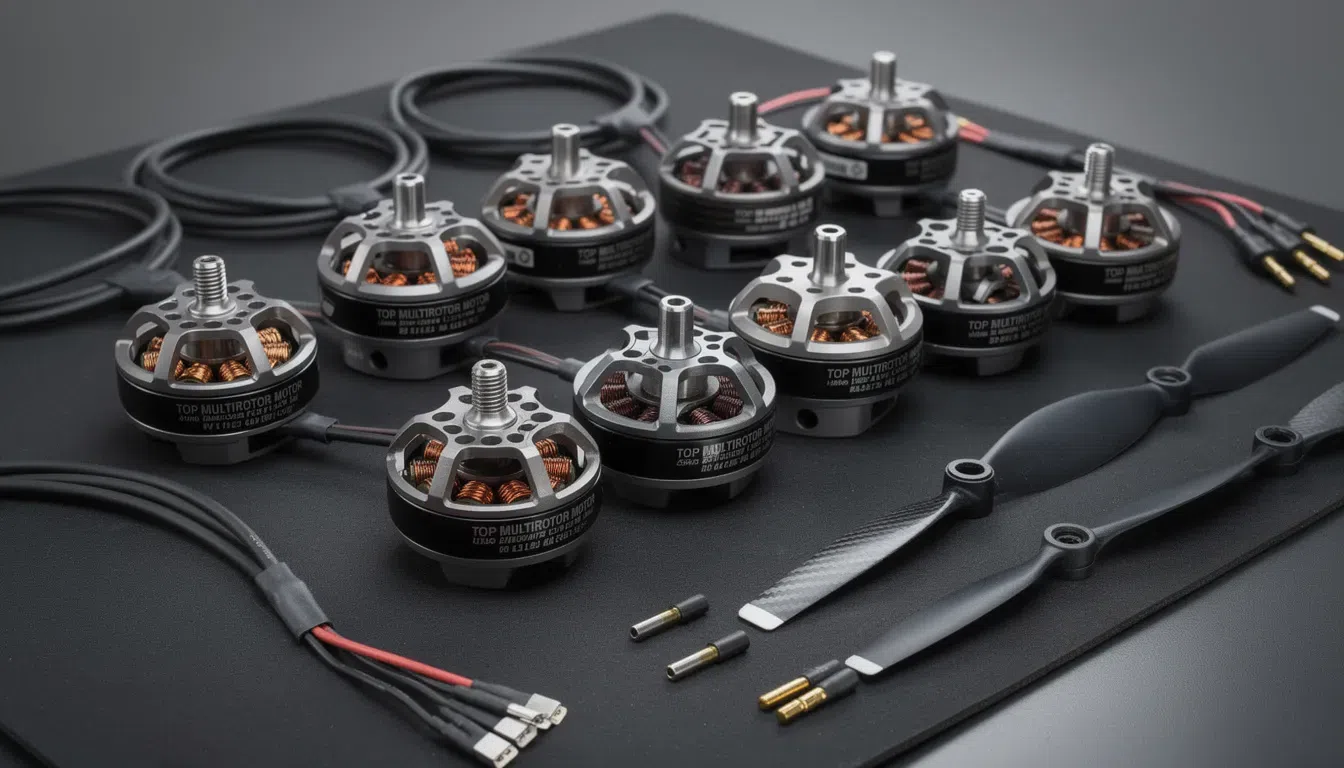
Introduction to Multirotor Motors This guide is designed for drone enthusiasts, builders, and professionals who
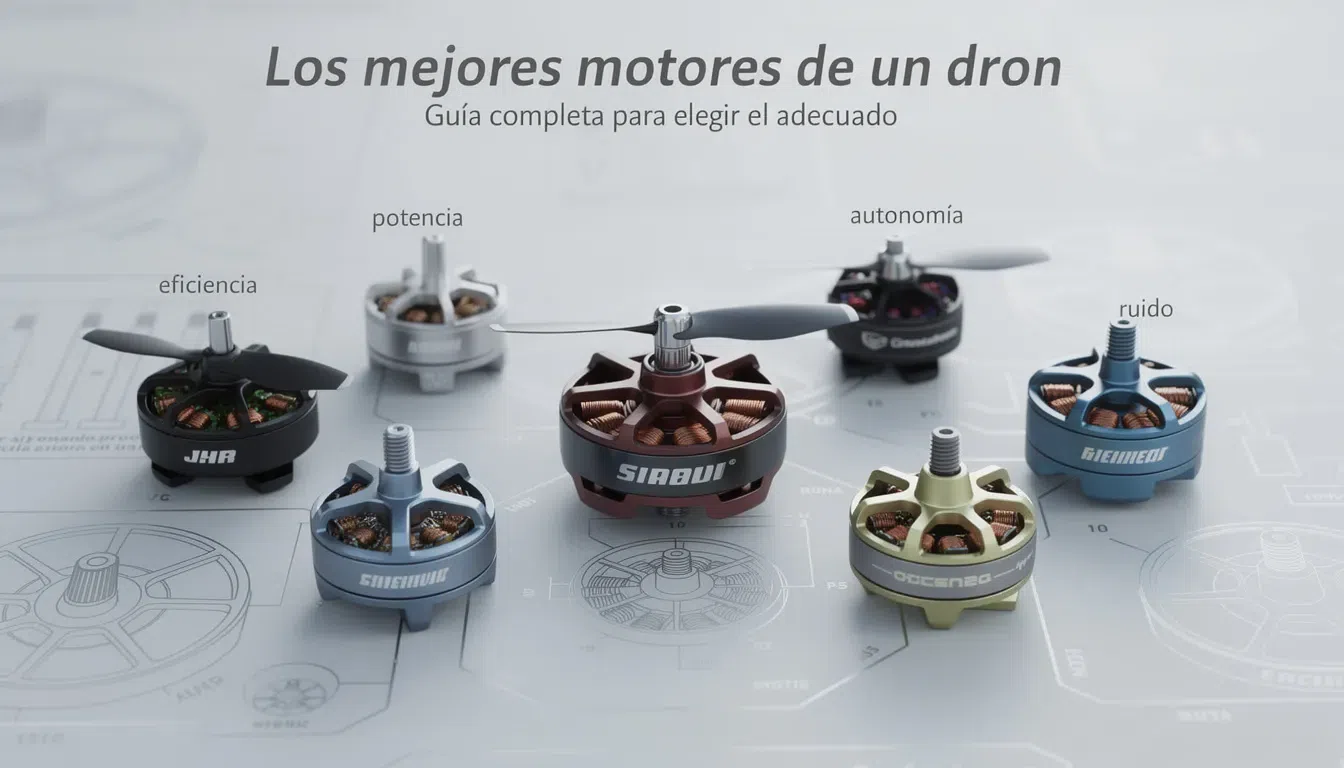
Los motores de un dron son piezas clave que afectan directamente la estabilidad del vuelo