Blog

Top Mini Quad Motors: Choosing the Right Option for Your Drone
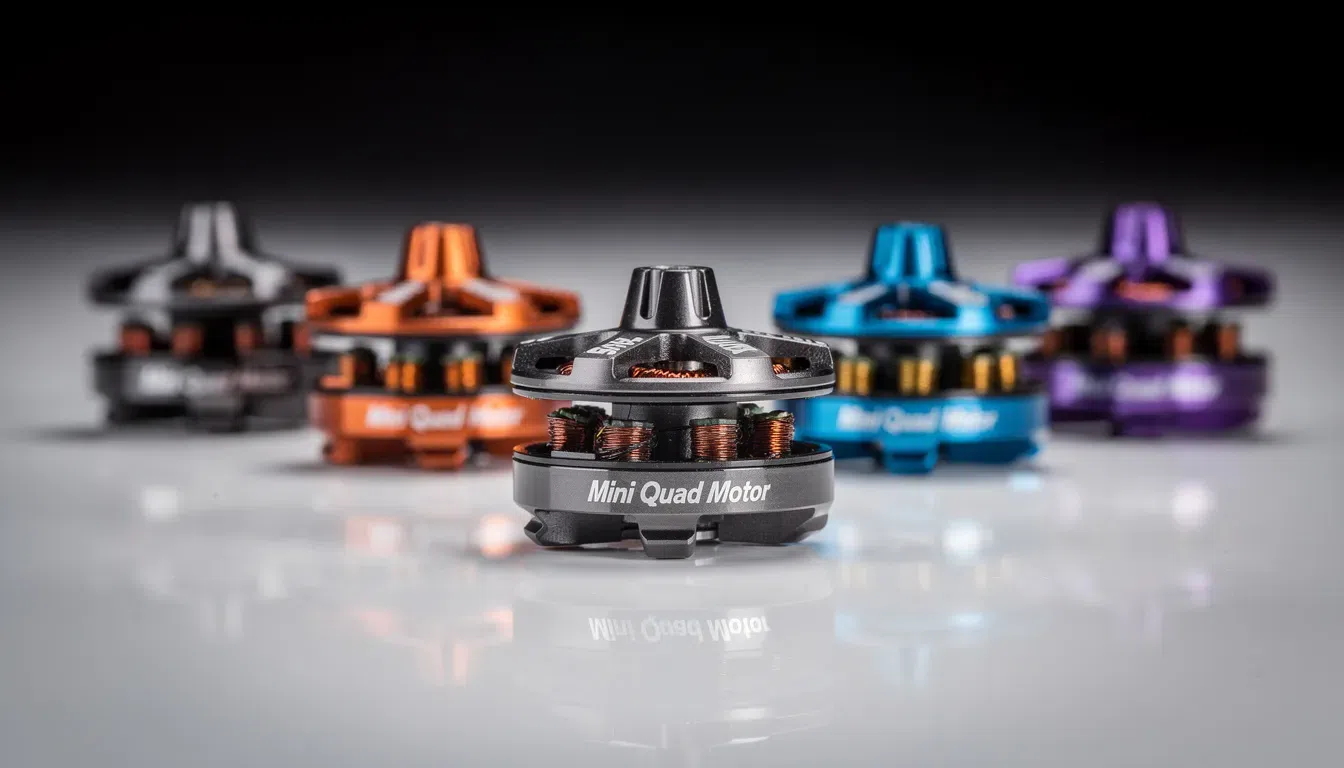
Mini quad motors play a crucial role in FPV drones, directly impacting their performance, efficiency,


Brushless motors often give you better efficiency, reliability, and power for your drone motor needs. Your drone’s purpose matters: racing drones need high KV motors for speed, while photography drones benefit from low-noise, smooth-response motors. Retek Motion offers reliable options, so always match your motor to your drone’s main task.
When you choose a drone motor, power and thrust are two of the most important things to consider. The right amount of power lets your drone lift its payload, stay stable in the air, and perform the tasks you need.
Tip: Retek Motion offers drone motors with different power outputs and thrust ratings, so you can match your motor to your drone’s purpose, whether you need speed, stability, or heavy lifting.
Efficiency tells you how well your drone motor turns battery power into thrust. Efficient motors help you fly longer and keep your battery healthy.
Note: Retek Motion designs energy-efficient brushless motors that help you get the most out of every battery charge.
The weight of your drone motor affects how your drone handles and how much it can carry.
Tip: Retek Motion offers a range of motor weights and sizes, so you can find the best fit for your drone’s frame and mission.
Durability is important if you want your drone motor to last and perform well over time. Many things can affect how long your motor lasts.
| Factor | Description | Impact on Durability and Failure |
|---|---|---|
| Overheating | Causes demagnetization of rotor magnets, reducing motor lifespan. | Critical failure cause; cooling fins help. |
| Motor Weight | Heavier motors use sturdier materials, increasing durability. | Heavier motors generally more durable. |
| Wire Type | Single stranded wires handle heat better; multi-stranded wires are efficient. | Affects efficiency and heat tolerance. |
| Magnet Quality | Stronger magnets (e.g., N52, N54) produce more thrust and last longer. | Higher quality magnets improve durability. |
| Motor Windings | High-quality copper windings reduce resistance and improve efficiency. | Better windings increase lifespan. |
| Cooling Design | Cooling fins and airflow help dissipate heat. | Extends motor life by reducing overheating. |
Note: Retek Motion uses high-quality materials and advanced cooling designs to make their motors durable and reliable for long-term use.
Cost is always a factor when you pick a drone motor. You want good value, but you also want performance and reliability.
Tip: Retek Motion provides a wide range of motors at different price points, so you can find a solution that fits your budget and needs.
Compatibility means your drone motor must work well with your drone’s frame, propellers, ESC, and battery.
Retek Motion ensures compatibility by customizing every motor to your exact needs. Their engineers work closely with you to make sure each motor fits perfectly with your drone’s design and electronics.

When you look at drone motors, you will see two main types: brushed and brushless. Brushless motors have become the top choice for most drones today. They offer higher efficiency, more power, and longer life. You get smoother control and less noise because brushless motors use electronic switching instead of mechanical brushes. This design reduces friction and heat, which means your drone can fly longer and handle bigger tasks.
Here is a quick comparison:
| Aspect | Brushed Motors | Brushless Motors |
|---|---|---|
| Construction | Uses brushes for commutation | Electronic switching, no brushes |
| Efficiency | Lower, more heat | Higher, less heat |
| Durability | Brushes wear out, needs maintenance | Longer lifespan, less maintenance |
| Speed Range | Limited | Wide range |
| Noise | Higher | Lower |
| Cost | Lower | Higher |
| Typical Use | Toys, small drones | Hobby, commercial, racing, heavy-lift drones |
You will find brushed motors in toy drones because they cost less and work well for short flights. Brushless motors dominate hobby and commercial drones. They give you better performance, reliability, and control. If you want a drone motor for racing, photography, or heavy lifting, brushless is the way to go.
Tip: Brushless motors last much longer than brushed motors and need less maintenance, making them a smart choice for frequent flyers.
Brushless motors come in two main styles: inrunner and outrunner. The difference lies in how the motor spins.
| Feature | Outrunner Motor | Inrunner Motor |
|---|---|---|
| Torque | Higher at low speeds | Lower, but improving with new designs |
| Speed | Lower max speed | Higher max speed |
| Cooling | Needs airflow | Better heat dissipation |
| Typical Use | Multirotor drones, direct drive | High-speed drones, industrial, heavy-lift |
When you choose a drone motor, think about your drone’s job. Outrunners fit most hobby and camera drones. Inrunners work well for racing or industrial drones that need speed and power.

If you want to win drone races, you need a motor that delivers high speed and quick response. Racing drones use high KV brushless motors, usually between 2300KV and 2800KV, for fast acceleration and sharp turns. These motors work best with lightweight frames and 4S or 6S batteries. A high thrust-to-weight ratio, often 4:1 or higher, helps you achieve extreme agility. The table below shows popular racing motors and their key specs:
| Motor Model | KV Rating | Stator Size | Thrust (g) | Battery Voltage | Key Features |
|---|---|---|---|---|---|
| T-Hobby F50 | 2200KV | N/A | 2134 | 6S | Ultra-fast, high thrust |
| T-Motor F40 Pro IV | 2150KV | 2306 | 1965 | 25.2V | Aggressive racing, high power |
| iFlight XING-E Pro | 2750KV | 2207 | 1300 | 4S/6S | Extreme speed, quick response |

Tip: Retek Motion offers high-KV brushless motors designed for racing, giving you the speed and control needed for FPV competitions.
For aerial photography, you want smooth, stable flight and quiet operation. Low-KV brushless motors paired with larger propellers help reduce vibrations and noise. These motors provide steady thrust for carrying cameras and gimbals, making your footage clear and stable. Retek Motion’s precision motors support smooth starts and stops, which is important for capturing sharp images and video.
Industrial and delivery drones need powerful motors to lift heavy payloads. You should select brushless motors with large stators, thick windings, and strong magnets. These features increase torque and allow for long, stable flights with heavy loads. The table below highlights some heavy-lift motor specs:
| Model | Weight (g) | Max Power (W) | Max Thrust (kg) |
|---|---|---|---|
| MN1015 KV70 | 855 | 5800 | 27.4 |
| U15Ⅱ KV80 | 1740 | 8580 | 36 |
| U15XXL KV29 | 5130 | 3300 | 100 |

Note: Retek Motion’s heavy-lift motors use advanced cooling and rugged materials, making them ideal for delivery, mapping, or emergency response drones.
If you are new to flying, you need a drone motor that is stable, easy to control, and durable. Beginner drones often use motors with features like altitude hold, headless mode, and 6-axis gyro stabilization. These features help you learn to fly safely and reduce the risk of crashes. Motors in beginner drones are lightweight and designed for smooth, gentle flight.
You need to match your drone motor to your drone’s main job. Start by deciding if you want speed, stability, or heavy lifting. Use the table below to guide your choices:
| Step/Factor | Description |
|---|---|
| Determine Drone Purpose | Decide if you want racing, photography, or long-range flight. |
| Choose KV Value | Pick high KV (>2000) for speed, low KV (<1000) for stability and payload. |
| Consider Motor Size & Weight | Use small motors for light drones, large motors for heavy drones. |
| Match Motor & Propellers | Pair large props with low KV motors, small props with high KV motors. |
| Voltage & Current Compatibility | Make sure your motor, ESC, and battery work together safely. |
| ESC Compatibility | Select an ESC that matches your motor’s current needs. |
| Heat Dissipation & Durability | Pick motors with good cooling and strong build for longer life. |
| Cost vs Performance | Balance your budget with the performance you need. |
Tip: Retek Motion offers a wide range of motors, so you can find the right fit for any drone type.
Many people make simple mistakes when choosing a drone motor. Avoid these common errors:
Note: Always check your motor and wiring before each flight to prevent accidents.
Use this checklist to make sure you select the best motor for your drone:
Retek Motion stands out for quality, reliability, and strong customer support. Their motors deliver high efficiency and durability, making them a trusted choice for both hobbyists and professionals.
Brushless motors give you more power, efficiency, and longer life. You should always match your motor choice to your drone’s job, like racing or carrying heavy loads. Think about thrust, torque, and compatibility. For reliable performance, explore Retek Motion’s high-quality motors designed for every application.
KV tells you how many revolutions per minute (RPM) your motor spins for each volt. Higher KV means faster spinning, which suits racing drones.
No. You must match the motor size, mounting holes, and power needs to your drone frame. Always check compatibility before buying.

Mini quad motors play a crucial role in FPV drones, directly impacting their performance, efficiency,
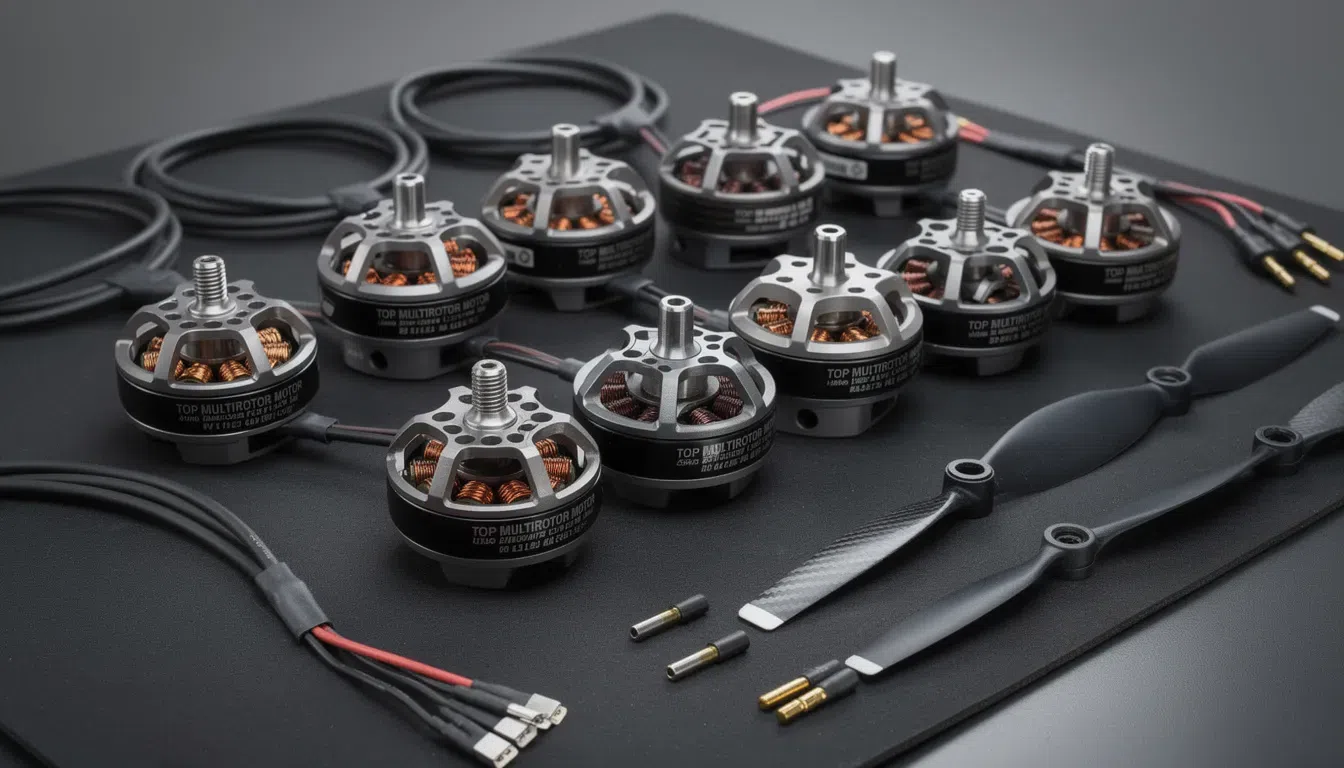
Introduction to Multirotor Motors This guide is designed for drone enthusiasts, builders, and professionals who
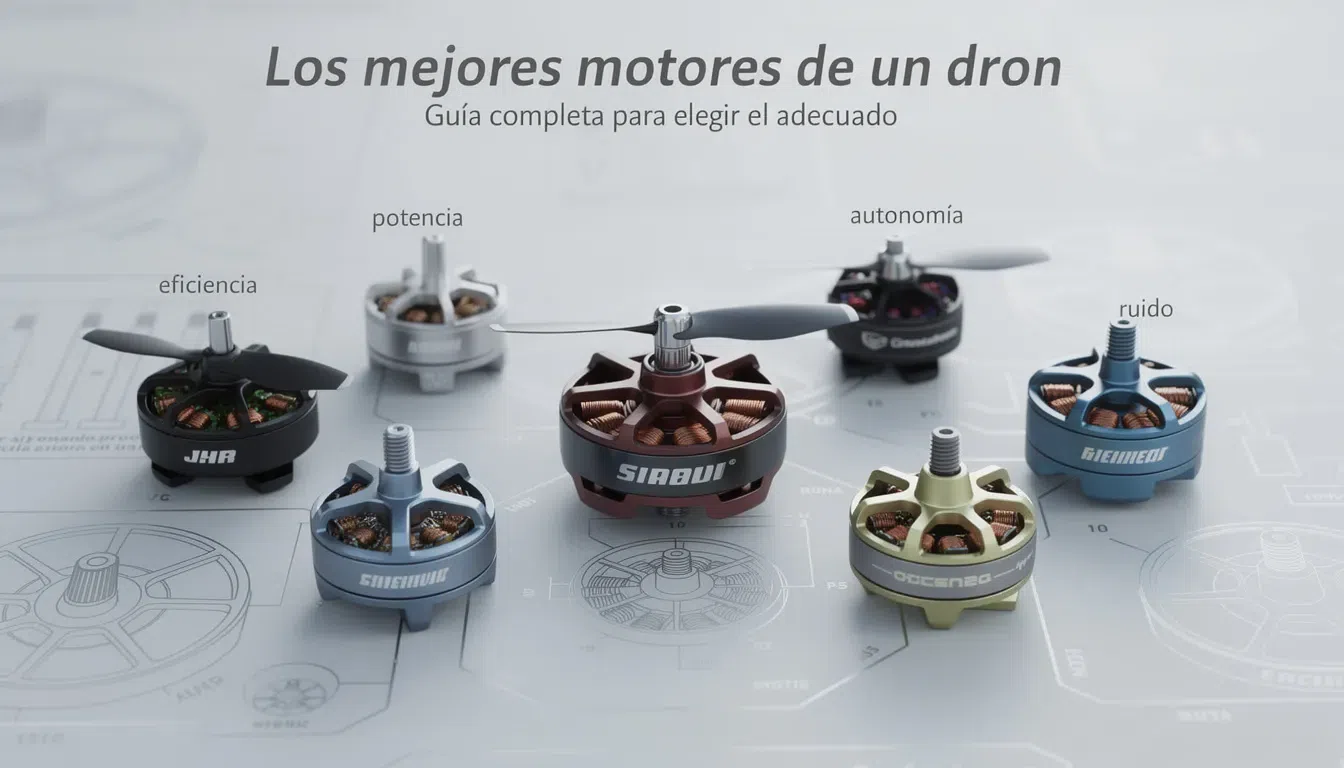
Los motores de un dron son piezas clave que afectan directamente la estabilidad del vuelo